
Circuit Breaker Repair & Replacement
Breakers That Hold Under Real Load
Circuit Breaker Repair & Replacement in Lansing for breakers that trip without overload, panels that no longer meet household demand, and circuits that can't support added equipment
A breaker that trips repeatedly under normal use has either weakened internally or is sized incorrectly for the wire and load it protects. Sparky's Electric diagnoses and replaces faulty circuit breakers when panels fail to deliver stable power or when electrical capacity no longer matches what modern appliances and electronics require. You notice this problem when a breaker trips as soon as a device turns on, when resetting the breaker becomes routine, or when adding any new load causes immediate shutdown.
The electrician measures actual current draw on the circuit with all typical loads running and compares that measurement to the breaker's rating and the wire gauge feeding it. If current draw exceeds the breaker rating, the circuit is overloaded and either requires load redistribution or a new dedicated circuit. If the breaker trips below its rated capacity, the breaker itself has degraded and must be replaced. Proper breaker replacement matches the breaker type to the panel manufacturer, verifies correct amperage for the wire size, and confirms the breaker seats fully on the bus bar without arcing or resistance.
Request a panel evaluation to identify which breakers are failing or undersized for current demand.
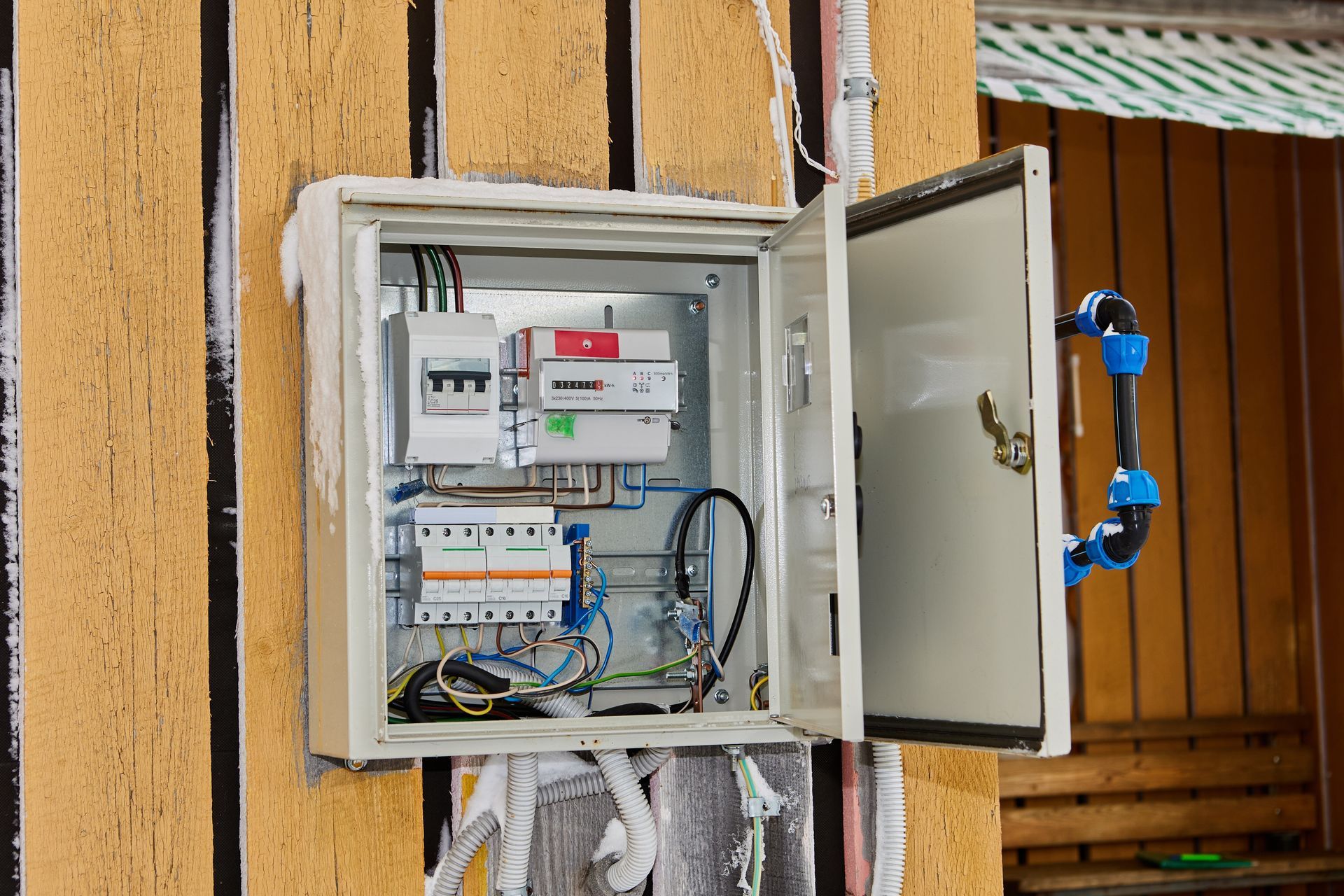
What You Notice Once the Breaker Is Replaced
A functioning breaker remains set under all normal loads and only trips when actual current exceeds safe limits for the wire it protects. After replacement, circuits handle their intended equipment without nuisance tripping, and you no longer reset breakers as part of using the home. The breaker's mechanical action is firm and deliberate when tested, and there is no heat buildup at the breaker or its connection to the bus bar.
Many homes in Lansing built in the mid-20th century still operate on 100-amp service with breaker panels that use technologies no longer manufactured, including fuse panels, Federal Pacific panels, and Zinsco panels. Sparky's Electric replaces obsolete breakers where compatible replacements are available and recommends panel replacement when the panel itself poses a safety risk or cannot accommodate modern circuit protection devices like AFCI and GFCI breakers.
The service includes inspection of all breakers in the panel to identify others that show signs of wear, corrosion, or improper installation. Double-tapped breakers, oversized breakers on undersized wire, and breakers that do not match the panel brand are flagged during the visit, even if they are not part of the original repair scope.
Answers About How the Work Is Done
Circuit breakers are mechanical devices that degrade with use and age. These questions address how failures are diagnosed and what replacement involves.
How is a faulty breaker diagnosed when the circuit isn't obviously overloaded?
The electrician measures the actual current on the circuit under load using a clamp meter and compares it to the breaker's rating. If the breaker trips below its rating, it is tested for mechanical function and internal continuity. A breaker that shows high resistance or fails to trip at the correct threshold is replaced.
What happens if the replacement breaker isn't available for an older panel?
Some panel manufacturers have been discontinued, and breakers for those panels are no longer produced. In those cases, the electrician evaluates whether the panel should be replaced entirely or whether a compatible breaker from another manufacturer meets listing requirements for that specific panel model.
Why does a breaker trip immediately after being reset?
Immediate tripping indicates a short circuit or ground fault on the circuit. The electrician isolates the circuit by disconnecting all devices and outlets, then reconnects them one segment at a time to locate where the fault occurs. The short must be repaired before the breaker will hold.
How do you determine if a circuit is overloaded or if the breaker is simply worn out?
The electrician calculates the total connected load on the circuit and compares it to the breaker and wire capacity. If the load is within safe limits but the breaker still trips, the breaker has likely weakened and no longer performs as rated. Replacement restores proper protection without resizing the circuit.
What is checked during a panel inspection beyond the failing breaker?
The inspection includes verifying that all breakers match the panel manufacturer, that wire sizes are appropriate for breaker ratings, that the panel is properly grounded and bonded, that no double-tapped breakers exist unless rated for it, and that AFCI and GFCI protection is present where code requires it. Any deficiencies are documented.
Sparky's Electric also provides circuit breaker repair and replacement in Grand Ledge and Brighton. Arrange an inspection to evaluate breaker performance and panel capacity before the next failure occurs.